
3 Important Financial Documents for Estate Plans
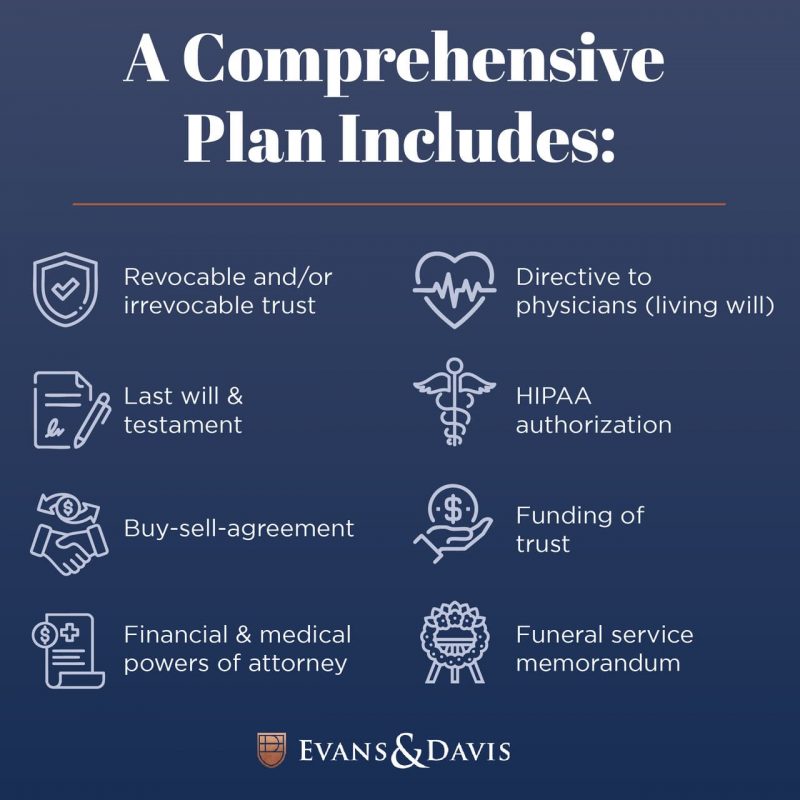
Estate planning ensures that an individuals assets are distributed according to their wishes, minimizing headaches for their family and loved ones. A comprehensive trust-based estate plan for people generally includes the following three documents:
1. Revocable Living Trust
Creating a revocable living trust allows you to control the distribution of your assets outside of the probate system. You can name yourself as a trustee, designate beneficiaries, and select someone to be in charge of the trust after you pass away or become incapacitated.
Trusts give you more power over inheritance than a regular will, helping your family avoid any drawn-out legal battles over your estate.2. Pour-Over Will
A pour-over will can help you control the distribution of any assets that haven’t been transferred into a trust during your lifetime. Think of it as a safety net for property or funds left out or forgotten during your estate planning.
While the pour-over will need to go through probate, you can name your trust as a beneficiary and eventually place your personal assets under your trustee’s supervision.3. Financial Power of Attorney
Designating an agent under a financial power of attorney gives a loved one the ability to make legal decisions and manage your affairs in your name if you become incapacitated. This can be very helpful in certain circumstances, allowing those you trust to pay bills, sell assets, or transfer funds to ensure your family’s financial security. If you own a business, financial power of attorney can help ensure a smooth transition of power.
3 Important Health Documents for Estate Plans
Estate planning can also help keep you comfortable and at peace throughout your life, ensuring your wishes for medical care are observed. Individuals should always have the following documents:
1. HIPAA Authorization
The Health Insurance Portability and Accountability Act, commonly referred to as HIPAA, safeguards the privacy of most medical records. By signing a HIPAA authorization form, you can give others access to your health care information, allowing them to assist with your treatments.
2. Health Care Power of Attorney
Designating health care power of attorney allows your spouse or another loved one to make medical decisions for you when you cannot. If you become incapacitated, this can help someone you trust approve treatments, manage your care, and protect your medical rights.
3. End-of-life document
Commonly known as a “living will,” this document lists instructions for how you want to be treated if you become incapacitated and cannot communicate your decisions, typically at the end of your life. End-of-life documents can include specific medical treatments you’d like to avoid, including invasive surgeries and life support, when you’re incapacitated and cannot decline them yourself. A do-not-resuscitate, or DNR, order can authorize health care providers to refrain from intervening in a life-threatening emergency, allowing you to pass peacefully.

Don’t confuse documents with a plan. The strategy matters more than the stack of papers.
How Often Should You Review Your Estate Planning Documents?
Estate planning isn’t a one-and-done effort because your life will inevitably change over time. You should update your plans regularly to adapt to each new normal. Individuals should consider reviewing their estate planning documents every two to five years or after a major life event, such as the birth, marriage, or death of a family member.
Should Married Couples Have Joint or Separate Documents?
Whether joint or separate estate planning documents are best for your marriage depends on your current stage of life and the complexity of your family situation. Most married couples use joint documents, but those with blended families, divided finances, and complicated assets could benefit from separate documents.
Take Your Next Step Toward a Complete Estate Plan
Since 2002, Evans & Davis has provided a generation of tailored care, helping more than 30,000 clients across the country achieve their estate planning goals. With our specialized experience and relationship-driven approach, our team is ready to help you and your family protect your legacy.
Contact us online today to learn more about how to get started on estate planning.


